How Does Blockchain Work? Step-by-Step Fundamentals of Blockchain Technology
Beginner
In short: How does the blockchain system work? This comprehensive technical guide explains blocks, hash functions, consensus algorithms, and distributed ledger…
Introduction: What Is Blockchain?
Blockchain is a decentralized ledger system where data is recorded in sequential and immutable blocks. Its key distinction is the absence of a need for a central authority.
Transactions between users are verified by a distributed network before being added to the chain.
Block Structure: The Foundation of It All
Each block contains the following components:
- Block Header: Includes the previous block’s hash, timestamp, and nonce.
- Data Field: Contains transaction information (sender, receiver, amount, etc.).
- Block Hash: A summary of block contents generated by a hash algorithm like SHA-256.
This structure ensures that each block is linked to the one before it, creating a secure chain.
What Is a Hash Function?
A hash function is a mathematical operation that converts input data of any size into a fixed-length hash. SHA-256 is the most widely used in blockchain.
Even a tiny change in input completely alters the hash result, ensuring immutability within the blockchain.
Distributed Ledger and Nodes
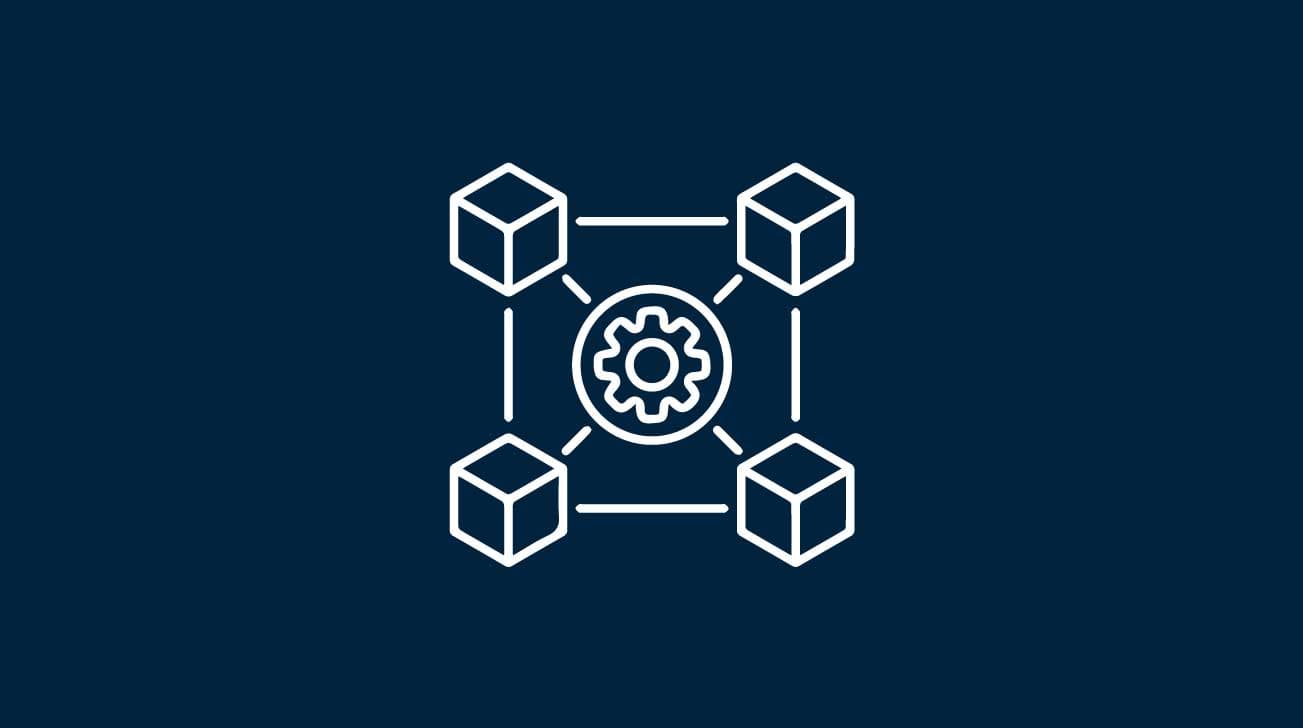
Blockchain is not stored in a single central location. Every user can host a copy of the network as a "node."
All nodes are synchronized. When a new block is added, all copies of the ledger are updated across the network.
What Is a Consensus Algorithm?
All nodes must agree on which transactions are valid. This agreement is achieved through a "consensus algorithm."
Common Consensus Mechanisms:
- PoW (Proof of Work): Computers solve complex problems to earn the right to add new blocks.
- PoS (Proof of Stake): Users validate blocks based on the amount of tokens they hold in the network.
- DPoS, PBFT, PoA: Other systems that offer faster and more energy-efficient alternatives.
How a Blockchain Transaction Happens
- User A wants to send tokens to User B.
- The transaction request is broadcast to the network.
- Nodes verify the validity of the transaction.
- Once consensus is achieved, the transaction is recorded in a new block.
- The new block is added to the blockchain and all nodes update their copies.
Why Cryptography Is Vital in Blockchain
- Prevents double spending.
- Enables identity verification through digital signatures and public-private key pairs.
- Ensures privacy through data encryption.
Where Is Blockchain Used?
- Cryptocurrencies: The foundation of systems like Bitcoin and Ethereum.
- Supply Chain: Product tracking and anti-counterfeiting.
- Identity Verification: Secure digital identity systems.
- Smart Contracts: Automating transactions based on predefined conditions.
- Voting Systems: Transparent and traceable digital elections.
FAQ: Understanding How Blockchain Works
Q: Is blockchain a centralized system?
No. It is fully decentralized, and every participant is part of the network.
Q: Can a block be changed?
No. Altering a block breaks the entire chain, which is a built-in defense mechanism.
Q: How often are blocks added?
On Bitcoin, a new block is added approximately every 10 minutes. On Ethereum, it takes only seconds.
Q: Is blockchain anonymous?
It is pseudonymous. Users interact via wallet addresses, but identities are not stored on-chain.
Conclusion: Understanding Blockchain Is Understanding the Future
Blockchain is not just a technical innovation—it represents a fundamental shift toward decentralization in the digital world.
Understanding how it works means understanding future systems for money, data, and security.
Recommendations:
- Start experimenting on a testnet before using real assets.
- Learn how hash algorithms work through practical examples.
- Understand the differences between PoW and PoS before mining or staking.
- Use blockchain explorers to analyze how the network operates.
- Observe how decentralization principles are implemented in real-world projects.